

👋 Good Morfternight, this is Paolo with the 109th edition of our newsletter on Product Management, Distributed Leadership, and Tech Advancements.
Over 8,500 people read it every week. I hope you’ll join us for today’s read.
Here’s Jeff Bezos explaining why he banned PowerPoint decks from meetings:
Writing is the default method of communication for effective distributed teams.
The stress should be on the word distributed.
Indeed, while in-person and remote companies may think they can get away with a talking culture (hint: they are wrong), distributed ones can’t even entertain the illusion.
Remember → remote ≠ distributed
Remote work, in its simplest definition, means that employees work from a location far from the main office, occasionally or regularly.
Distributed work, on the other hand, means that there is no central office, and employees are everywhere. This structure operates on asynchronous, transparent, and primarily written communication.
Now, while watching Bezos explain how he banned PowerPoint from Amazon’s meetings may be inspirational, it’s not that useful. It’s productivity porn.
Realistically, what are you going to do? Ban PowerPoints for your team and hope a writing culture develops? No.
This essay will focus on how to kickstart a writing culture within your organization or team.
✍️ Three tips to develop a writing culture

→ One. Promote writing.
As with any management practice, we start with encouragement and leading by example.
After you have clearly outlined the benefits of a writing culture (better thinking, better decisions, better alignment), you should encourage your teammates and direct reports to express themselves through writing.
A perfect occasion to do this is when they request a meeting to decide or want a quick sync to get your input on something.
Those are great moments to ask: “Please draft a memo instead.”
And here’s a secret trick to speed up the adoption of this best practice: you need to do it too.
You might be tempted to take shortcuts now and then. You might want to request a meeting, make a quick call, send a voice note, or even worse… decide something without documenting it anywhere.
Resist, and watch a writing culture develop.
→ Two. Use tools that prioritize writing.
You need to use collaboration tools and rituals that prioritize writing.
I would rather not name names, as this isn’t that kind of newsletter, and I have my fair share of biases given I work for one of these big tech companies (follow me on LinkedIn to find out which one😃).
But the point is: some user interfaces optimize for speed and connectivity.
Others for order and quality of information.
You need tools that match your goals of having a written-first company.
The same goes for rituals.
I am pretty radical about this: my team’s standups are written as well. It started as a necessity (time zones). Now I love it.
Information about our day-to-day progress, roadblocks, and wins is compiled, transparent, and accessible.

→ Three. Foster a culture of feedback and improvement.
Why?
Well, the best thing that can happen to a company is to have feedback and mistakes documented in public, in written form.
It turbocharges growth.
But this is the most delicate aspect of moving from synchronous conversations to asynchronous ones.
Simply put: it doesn’t feel good to have our mistakes put in black and white in a public space, and have them remain accessible forever.
Human nature.
That’s why it’s important to foster a culture of continuous improvement to get the most out of written communication.
Starting by having your mistakes clearly documented goes a long way.
⚠️ Common problems and quick fixes
→ Problem: Team members may not be comfortable with written communication.
Solution: Provide training and resources for writing and communication. But don’t forget to explain that writing is the most democratic way of expression. It allows non-native speakers to let their thinking shine. Strip away calls and meetings, and suddenly a charming British accent is not a career-boosting quality anymore. :)
→ Problem: Some team members may feel excluded from decision-making.
Solution: Promote transparency in the decision-making process. When done right, written decision-making should be way more transparent than synchronous, spoken decision-making. But since it’s uncommon and different, you really need to go the extra mile to describe how decisions are made in this new normal.
🎉 What success looks like
An organization with a flourishing writing culture, usually:
- Has an accessible agenda and notes for every meeting.
- Has routines centered around writing: standup meetings, weekly reports.
- Staffs a diverse and international team.
- Believes that feedback is a gift.
🎁 Parting gift
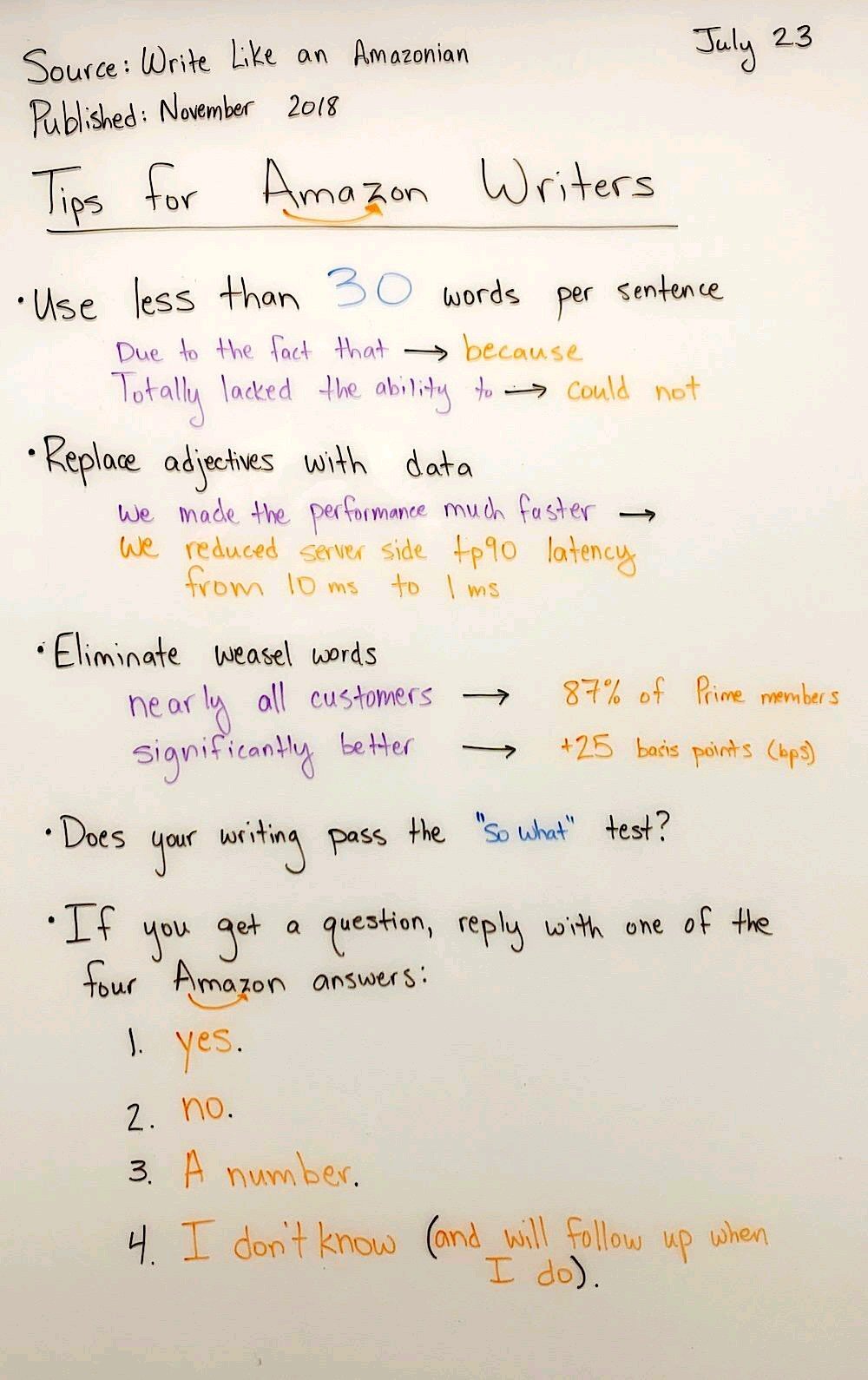
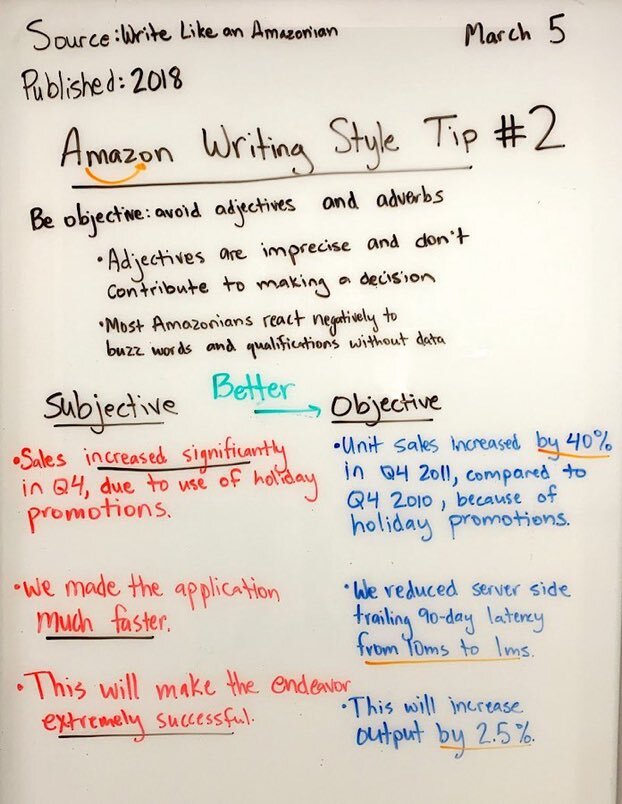
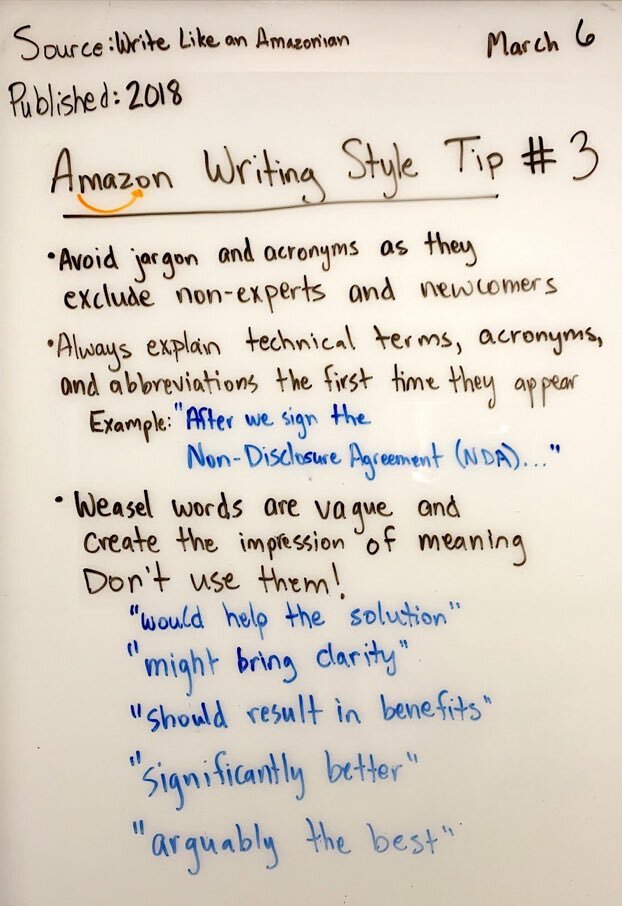
Because Bezos doesn’t just ban PowerPoints, here’s a thread on X summarizing all the tips shared internally at Amazon, and the whiteboard version of the same tips.
📷 Meanwhile in Vienna…
When I’m not product managing, I enjoy black and white photography. 🙂
Here is a picture I took recently in Vienna for my series “Focus”

→ Add me on LinkedIn
That’s it for today. Thank you for being a Morfternighter. If someone forwarded this to you, you can subscribe. I also write and publish my photos on paolo.blog.
Cheers,

P.S.: If you enjoyed reading this, please don’t hesitate to share it.


Leave a reply